
How to Plan an Indoor Adventure Day for Kids and Families
An indoor adventure day is a structured, activity-based experience designed to keep kids active, engaged, and learning indoors while strengthening family bonding.
Rainy weather. Limited outdoor space. Screen fatigue. These are common problems for parents today. When kids stay indoors for long hours, boredom builds fast. Energy has nowhere to go. Parents feel stuck trying to balance fun, learning, and safety.
This is where knowing how to plan a kids adventure day indoors becomes valuable. An indoor adventure day is not about filling time randomly. It is about creating intentional challenges, play zones, and shared moments that feel exciting without leaving the house.
According to child development studies from organizations like the American Academy of Pediatrics, unstructured play and movement-based activities improve attention, emotional regulation, and problem-solving skills. Indoor adventure days combine these benefits in a controlled environment.
This guide explains how to plan an indoor adventure day for kids step by step. You will learn how to design activities, manage time, adapt for different ages, and keep the day stress-free. Everything is practical. No fluff. No unrealistic setups.
How do you plan a kids adventure day indoors from start to finish?
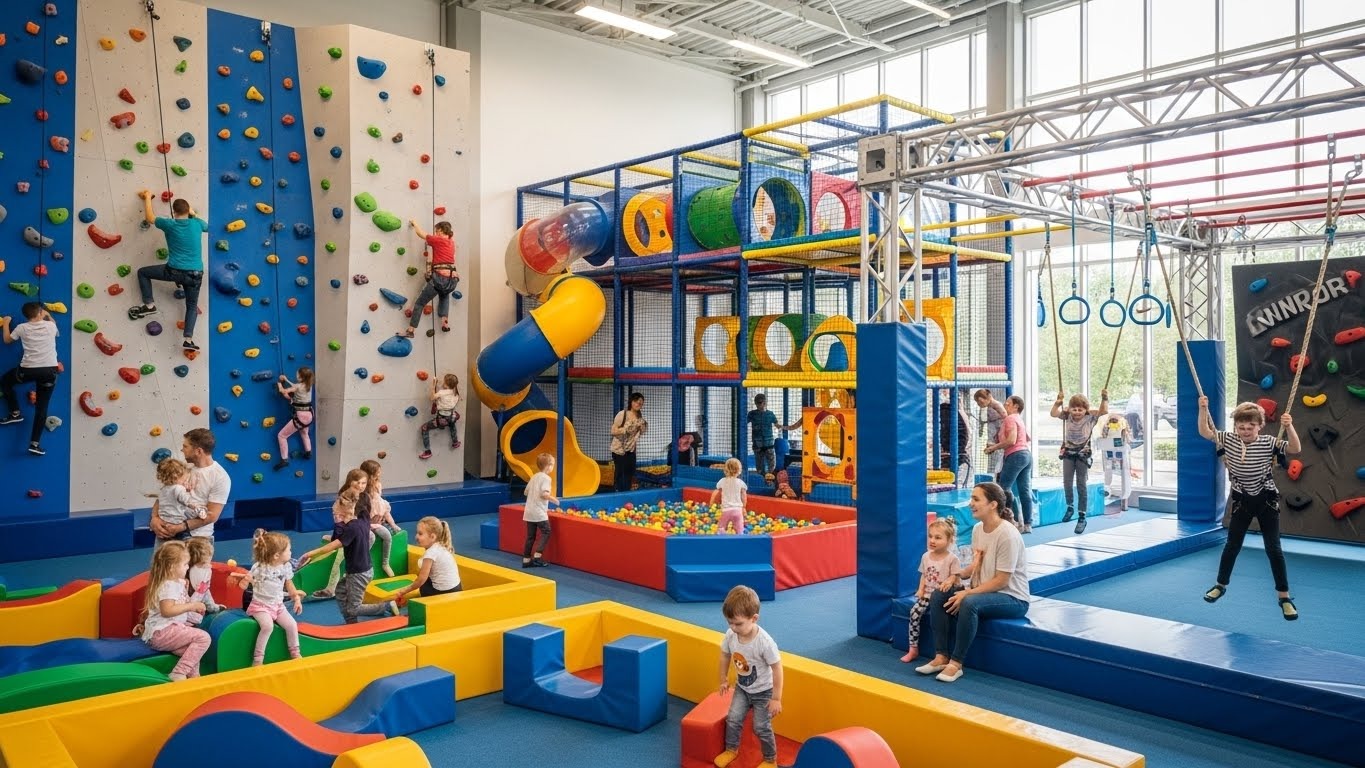
Snippet answer: You plan a kids adventure day by setting a clear theme, defining age-appropriate activities, creating a simple schedule, and preparing materials in advance.
The biggest mistake parents make is starting without a plan. Random games lead to chaos. Kids lose interest. Adults get tired quickly.
When learning how to plan a kids adventure day, think in systems. Start with structure, then add fun.
Step 1: Choose a simple adventure theme
The theme gives direction to the day. It does not need decorations or costumes.
- Jungle exploration
- Space mission
- Treasure hunt
- Mini Olympics
- Survival challenge
A theme helps kids stay engaged because every activity feels connected.
Step 2: Define the age range
Activities must match developmental levels.
| Age Group | Focus |
|---|---|
| 3–5 years | Movement, imagination, simple rules |
| 6–9 years | Problem-solving, teamwork, challenges |
| 10–12 years | Strategy, competition, creativity |
This step alone prevents frustration and meltdowns.
Step 3: Decide the length of the adventure day
An indoor adventure day does not need to last all day.
- Half-day (2–3 hours) works best for younger kids
- Full-day works for mixed-age families
Plan breaks. Rest is part of the adventure.
What activities work best for an indoor adventure day?
Snippet answer: The best indoor adventure activities combine movement, thinking, creativity, and teamwork.
The goal is balance. Too much physical activity leads to exhaustion. Too many quiet games cause boredom.
Physical adventure activities
Movement is non-negotiable.
- Obstacle courses using pillows and chairs
- Indoor relay races
- Animal movement challenges
- Balloon volleyball
These activities burn energy and improve coordination.
Problem-solving challenges
- Puzzle stations
- Escape room-style clues
- Building challenges with blocks
These activities improve focus and critical thinking.
Creative adventure stations
- Map drawing for treasure hunts
- DIY craft missions
- Story-building games
Creativity keeps kids emotionally engaged.
How do you structure an indoor adventure day schedule?
Snippet answer: A good schedule alternates high-energy activities with calm ones and includes regular breaks.
Structure reduces stress for both kids and parents.
Sample indoor adventure schedule
| Time | Activity |
|---|---|
| 9:00 AM | Welcome challenge and rules |
| 9:30 AM | Physical adventure game |
| 10:00 AM | Snack break |
| 10:20 AM | Problem-solving mission |
| 11:00 AM | Creative station |
| 11:45 AM | Final team challenge |
This rhythm keeps attention high.
What supplies do you actually need?
Snippet answer: Most indoor adventure days require only common household items.
You do not need expensive toys.
- Paper and markers
- Painter’s tape
- Soft balls or balloons
- Boxes and cushions
Planning matters more than supplies.
How do you manage multiple kids and different personalities?
Snippet answer: Use teams, clear rules, and flexible roles to manage group dynamics.
Not all kids enjoy the same activities. Some lead. Some observe.
Practical management tips
- Create mixed-skill teams
- Rotate leadership roles
- Avoid elimination games
- Reward effort, not winning
This approach reduces conflict.
How can parents stay involved without taking over?
Snippet answer: Parents should guide, observe, and encourage rather than control.
Kids feel ownership when adults step back.
- Explain rules clearly
- Set boundaries early
- Let kids solve small problems
This builds confidence.
What are common mistakes to avoid when planning an indoor adventure day?
Snippet answer: Overplanning, lack of breaks, and ignoring age differences are the biggest mistakes.
- Too many activities
- No transition time
- Complicated rules
Simple plans work best.
Does an indoor adventure day support learning and development?
Snippet answer: Yes, indoor adventure days support physical, cognitive, and social development.
Case observations from homeschooling communities show improved cooperation and attention after structured play days.
Skills developed include:
- Communication
- Problem-solving
- Emotional regulation
- Physical coordination
Conclusion: Why every family should try an indoor adventure day
An indoor adventure day is not about perfection. It is about intention. When you know how to plan a kids adventure day, you create space for connection, movement, and joy.
You do not need a big house or special equipment. You need a plan, clear goals, and flexibility. These experiences create memories that screens cannot replace.
Call to Action: Start small this weekend. Choose one theme. Plan three activities. Watch how your kids respond. If this guide helped you, share it with other parents and save it for your next indoor adventure day.
Frequently Asked Questions
How long should an indoor adventure day last?
Most indoor adventure days work best between two and four hours. Shorter sessions prevent burnout.
Can toddlers participate in an indoor adventure day?
Yes. Focus on movement, music, and imagination. Keep rules simple.
How do I handle limited indoor space?
Use stations instead of large setups. Rotate activities to reuse space.
Do indoor adventure days replace outdoor play?
No. They complement outdoor play when weather or schedules limit access.
How often should families plan an indoor adventure day?
Once or twice a month is enough to keep it exciting.
Can indoor adventure days work for birthday parties?
Yes. Structured adventure themes reduce chaos and improve engagement.
What is the best age to start?
Children as young as three can enjoy simple indoor adventure activities.
Related Topics: Costa Rica Itinerary 7 Days: Full Guide with Cost and Others
Related Topics: Staycation at Home: Creative Ideas for a Themed Staycation






Post Comment