Why Affordable Housing Is Limited in Austin, TX
Austin continues attracting new residents because of its strong job market, vibrant culture, and growing technology sector. However, housing supply has struggled to match rising demand. Recent reports show median home prices remain significantly higher than national averages, while rental costs continue challenging many households. Consequently, many families now face affordable housing challenges despite earning steady incomes. This article explains the key reasons behind limited affordable housing in Austin and shares practical solutions for residents, buyers, renters, and policymakers.
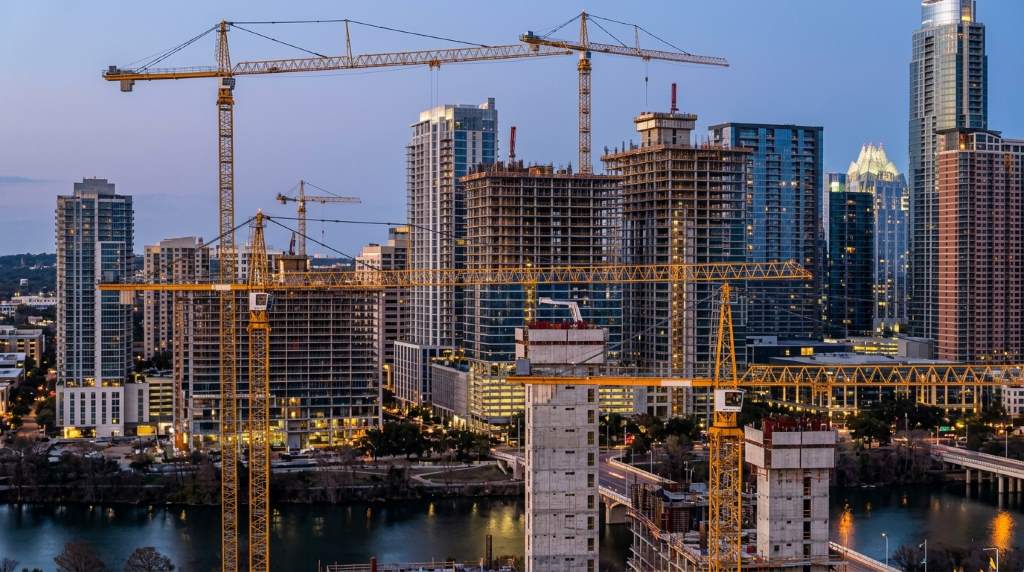
Rapid Population Growth Continues To Increase Housing Demand
Austin has experienced remarkable population growth during the past decade because businesses continue relocating and expanding. Therefore, housing demand regularly exceeds available inventory across many neighborhoods.
Many professionals move for technology, healthcare, education, and government careers every year. Meanwhile, new construction often fails matching the speed of incoming residents.
Housing shortages become more noticeable whenever demand outpaces available homes for purchase or rent. Similarly, tourism growth highlighted by destinations like best wineries to visit also reflects broader travel interest supporting regional economic expansion.
Limited Land Availability Restricts New Development
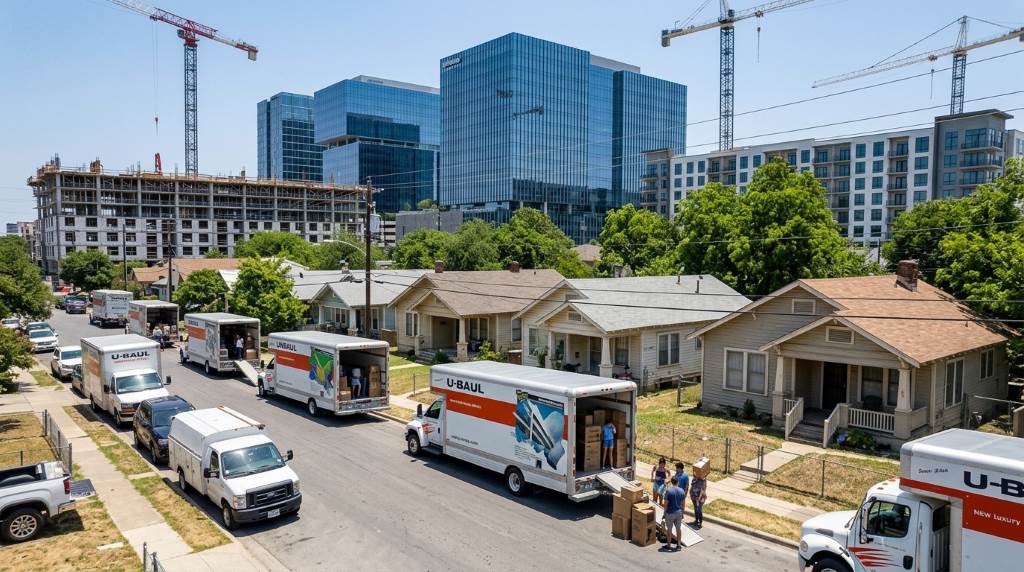
Suitable land within desirable areas remains increasingly difficult to find because urban development already covers many locations. Consequently, builders often compete aggressively for remaining available properties.
Environmental protections also preserve important natural spaces around Austin’s lakes, rivers, and greenbelts. Although these policies protect valuable ecosystems, they also reduce developable land.
Infrastructure planning further influences where residential projects can move forward efficiently. Accordingly, roads, utilities, and public services require expansion before many developments receive approval.
Zoning Rules Slow Housing Expansion
Zoning regulations determine building sizes, property uses, and neighborhood density across Austin. Therefore, many developers cannot maximize available land for affordable residential projects.
Some neighborhoods continue supporting primarily single family housing despite increasing population pressure. Likewise, public discussions surrounding urban planning often resemble planning considerations seen before events like the London Snow Show, where infrastructure preparation remains essential.
Although zoning reforms continue receiving attention, policy changes usually require extensive community review. Consequently, meaningful housing expansion often progresses gradually instead of rapidly.
Construction Costs Keep Rising
Building affordable housing has become increasingly expensive because labor, materials, and financing costs continue climbing. Therefore, developers frequently prioritize higher priced projects for stronger financial returns.
Insurance expenses, permitting fees, and utility connections also increase total construction budgets significantly. As a result, affordable developments often require additional public incentives.
Large public gatherings such as the world travel trade industry demonstrate how growing economies increase competition for skilled workers and construction resources.
Strong Job Growth Raises Housing Competition
Austin attracts employers offering competitive salaries across several expanding industries every year. Consequently, higher earning buyers frequently compete against middle income households for available homes.
Employers benefit from attracting skilled professionals, yet housing affordability often declines simultaneously. Therefore, many essential workers struggle finding homes near their workplaces.
Teachers, healthcare employees, emergency responders, and service workers often commute longer distances because nearby housing costs remain elevated. This situation affects daily quality of life and transportation expenses.
Investor Activity Influences Market Prices
Institutional investors and individual buyers frequently purchase residential properties as long term investments. Consequently, fewer homes remain available for owner occupied buyers.
Some investors renovate older properties before increasing rental prices or resale values substantially. Accordingly, surrounding neighborhood prices often rise alongside these improvements.
Although investment strengthens local property markets, excessive competition can reduce affordability for first time buyers. Balanced policies may help preserve healthy market conditions.
Rental Demand Continues Growing
Many newcomers initially choose renting before purchasing homes because relocation involves financial uncertainty. Therefore, apartment demand remains consistently strong throughout the city.
Property owners often respond by increasing rents whenever occupancy rates remain exceptionally high. Consequently, lower income households experience greater financial pressure every month.
Affordable rental developments help reduce market stress, yet additional supply remains necessary across growing neighborhoods. Long term planning supports healthier rental markets.
Infrastructure And Public Services Affect Housing Development
Roads, schools, water systems, and emergency services must support expanding residential communities successfully. Therefore, infrastructure investment directly influences future housing availability.
Developers sometimes delay projects until public improvements become financially or technically feasible. Meanwhile, waiting periods reduce the pace of new housing construction.
Coordinated planning between local agencies and private builders creates stronger communities while supporting sustainable housing growth. Collaboration benefits both current residents and future arrivals.
Practical Ways Residents Can Manage Housing Costs
Although market conditions remain challenging, residents still have several practical strategies for reducing housing expenses. Careful planning improves financial flexibility over time.
- Compare neighborhoods beyond the city center.
- Explore first time homebuyer assistance programs.
- Consider shared housing when appropriate.
- Monitor newly built rental communities.
- Improve credit scores before applying for financing.
- Create realistic monthly housing budgets.
Researching available options early often provides stronger negotiating opportunities with landlords and sellers. Additionally, financial preparation increases long term housing stability.
Potential Long Term Solutions
Addressing housing affordability requires cooperation between governments, developers, employers, and local communities. Therefore, balanced strategies produce stronger long term results.
Several approaches may improve future housing availability while supporting responsible urban growth.
- Modernize zoning regulations where appropriate.
- Encourage mixed income housing developments.
- Expand transportation connecting affordable communities.
- Increase incentives for affordable housing builders.
- Speed permitting without reducing safety standards.
- Strengthen partnerships between public and private organizations.
These combined efforts can gradually improve housing availability while maintaining Austin’s unique character and economic strength. Sustainable planning benefits future generations as well.
Conclusion
Affordable housing remains limited in Austin because strong population growth, rising construction costs, restrictive zoning, and increasing demand continue influencing the market. Nevertheless, thoughtful policies and responsible development can improve future housing opportunities.
If you plan moving to Austin or purchasing property, begin researching neighborhoods early and compare every available assistance program. Smart planning today creates better housing opportunities tomorrow.
Frequently Asked Questions
Why are Austin home prices so high?
High demand, limited supply, and continued economic growth keep home prices elevated.
Is renting more affordable than buying in Austin?
Renting may require lower upfront costs, but monthly expenses remain relatively high.
Can zoning reform improve affordable housing?
Yes, updated zoning can allow more housing options across suitable neighborhoods.
Why do construction costs affect affordable housing?
Higher building expenses increase development costs and reduce affordable project opportunities.
Are affordable housing programs available?
Yes, several local assistance programs support qualified renters and first time homebuyers.







Post Comment