
Best Travel Destinations Most People Miss but Should Visit Once
Mainstream tourism concentrates millions of travelers into the same handful of destinations each year. Meanwhile, extraordinary places remain overlooked despite offering authentic experiences, stunning landscapes, and rich cultural heritage. These hidden gems provide memorable adventures without the crowds and inflated prices of famous hotspots.
Discovering underrated destinations rewards adventurous travelers with unique stories and genuine connections. This guide reveals remarkable places that deserve spots on every traveler’s bucket list despite their relative obscurity.
Why Lesser-Known Destinations Offer Better Travel Experiences
Popular destinations struggle under tourism pressure that diminishes visitor experiences. Long queues, overpriced services, and crowded attractions reduce enjoyment at famous landmarks. Additionally, over-tourism damages local environments and cultures, creating ethical concerns for conscious travelers.
Lesser-known destinations provide authentic cultural interactions rarely possible in tourist-saturated areas. Local residents welcome visitors warmly rather than viewing them as commodities. Therefore, travelers gain genuine insights into daily life, traditions, and regional customs.
Budget advantages make overlooked destinations financially attractive. Accommodation, dining, and activities cost significantly less than comparable experiences in famous locations. Moreover, travelers stretch budgets further while enjoying superior quality and personalized service.
Environmental impact decreases when tourism spreads beyond concentrated hotspots. Visiting underrated destinations supports sustainable tourism development in communities needing economic opportunities. However, responsible travel practices remain essential everywhere regardless of popularity.
Matera, Italy: Ancient Cave City
Matera’s Sassi districts feature inhabited cave dwellings dating back 9,000 years. These limestone caves carved into ravine walls create one of the world’s oldest continuously inhabited settlements. UNESCO recognition in 1993 sparked restoration transforming Matera from poverty to cultural treasure.
Cave hotels offer unique accommodations blending ancient architecture with modern comfort. Stone-carved rooms maintain natural temperature regulation year-round. Additionally, atmospheric restaurants serve traditional Basilicata cuisine in candlelit grottos.
The city served as filming location for numerous biblical movies due to its timeless appearance. Walking cobblestone streets reveals Byzantine churches decorated with medieval frescoes. Moreover, panoramic viewpoints showcase the entire Sassi cascading down the hillside.
Matera remains significantly less crowded than Florence or Rome despite its extraordinary character. Summer temperatures reach comfortable levels unlike scorching conditions in southern Italian cities. Therefore, visiting between April and October provides ideal weather for exploration.
Luang Prabang, Laos: Spiritual Mountain Town
Luang Prabang preserves Southeast Asian Buddhist culture in an intimate riverside setting. This former royal capital blends French colonial architecture with traditional Lao wooden temples. Morning alms-giving ceremonies continue daily as hundreds of monks collect offerings from residents and visitors.
Thirty-three temples dot this compact UNESCO World Heritage town, each featuring intricate gold leaf decorations and colorful murals. Wat Xieng Thong represents classical Lao architecture with its sweeping multi-tiered roof nearly touching the ground. Additionally, climbing Mount Phousi at sunset rewards with 360-degree valley views.
The night market offers handicrafts made by local artisans rather than mass-produced souvenirs. Visitors watch weavers create intricate textiles using traditional techniques passed through generations. Moreover, street food stalls serve authentic Lao cuisine at incredibly affordable prices.
Kuang Si Falls, located 30 kilometers outside town, features turquoise pools perfect for swimming. The multi-tiered waterfall cascades through jungle creating natural swimming holes. However, visiting early morning avoids midday crowds at this popular day trip destination.
According to National Geographic, Luang Prabang offers one of Asia’s most well-preserved examples of traditional urban life blending seamlessly with colonial influences.
Tbilisi, Georgia: Crossroads of Europe and Asia
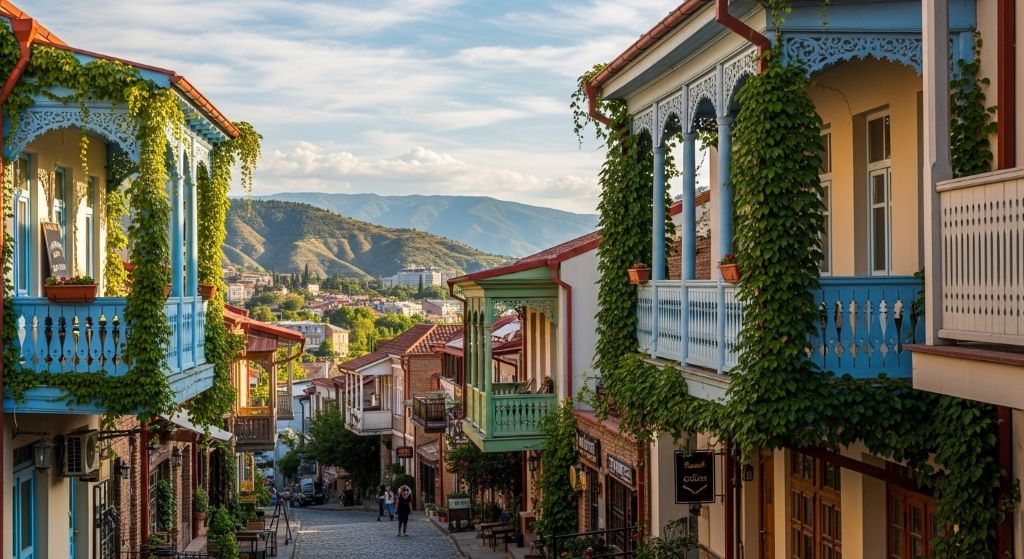
Tbilisi charms visitors with its eclectic architecture mixing Art Nouveau mansions, Soviet modernism, and medieval churches. The Old Town’s wooden balconies overhang narrow cobblestone streets climbing steep hillsides. Additionally, sulfur bathhouses dating to the 17th century provide authentic spa experiences in historic settings.
Georgian cuisine rivals any Mediterranean food tradition despite minimal international recognition. Khachapuri, cheese-filled bread, and khinkali, soup dumplings, represent just two dishes from an extensive culinary repertoire. Moreover, Georgia’s 8,000-year winemaking tradition produces unique orange wines fermented in clay vessels called qvevri.
The emerging arts scene transforms former industrial spaces into galleries and creative hubs. Fabrika, a Soviet sewing factory, now houses studios, cafes, and hostel accommodations. Therefore, Tbilisi attracts digital nomads and artists seeking affordable, vibrant communities.
Mountains surrounding Tbilisi provide easy access to hiking, skiing, and ancient villages. Kazbegi National Park lies just three hours away, offering dramatic Caucasus Mountain scenery. However, the capital itself provides enough attractions for multiple days of urban exploration.
Valletta, Malta: Fortified Mediterranean Capital
Valletta packs remarkable historical density into Europe’s smallest capital city. Knights of St. John built this fortified city in the 1500s after defending Malta from Ottoman invasion. Honey-colored limestone buildings line grid-pattern streets designed for defensive purposes.
St. John’s Co-Cathedral contains Caravaggio masterpieces and an ornate interior rivaling any European church. The marble floor consists entirely of elaborate tombstones for 400 knights. Additionally, the Grand Master’s Palace displays historic armor and Gobelin tapestries.
Fortification walls offer scenic walks with Mediterranean views and bastions transformed into gardens. The Upper Barrakka Gardens provide cannon-firing ceremonies and panoramic harbor vistas. Moreover, vintage buses and ferry rides connect Valletta with surrounding towns inexpensively.
Malta’s multilingual population speaks English fluently alongside Maltese, making navigation easy for international visitors. Year-round mild climate allows comfortable travel during shoulder seasons when crowds diminish. Therefore, visiting April through June or September through November provides optimal conditions.
Oaxaca, Mexico: Indigenous Culture and Colonial Charm
Oaxaca preserves indigenous traditions alongside Spanish colonial heritage better than any other Mexican city. Sixteen different indigenous groups maintain distinct languages, textiles, and culinary traditions in surrounding valleys. The city’s markets burst with regional specialties unavailable elsewhere in Mexico.
Monte Albán, a Zapotec archaeological site, overlooks the valley from a flattened mountaintop. This ancient ceremonial center predates most famous Mayan ruins yet receives a fraction of tourist traffic. Additionally, Hierve el Agua features petrified waterfalls creating natural infinity pools with mountain views.
Oaxacan cuisine represents Mexico’s most complex regional cooking, featuring seven varieties of mole sauce. Tlayudas, massive crispy tortillas, and chapulines, toasted grasshoppers, exemplify local specialties. Moreover, mezcal production centers in Oaxaca, with numerous palenques offering distillery tours.
The Day of the Dead celebration in Oaxaca maintains authentic traditions rather than tourist performances. Families create elaborate home altars and cemetery vigils honoring deceased relatives. However, visitors respectfully observing rather than intruding find this deeply moving cultural experience.
Riga, Latvia: Art Nouveau Architectural Gem
Riga contains over 800 Art Nouveau buildings representing one-third of city center architecture. Alberta Street showcases the most elaborate examples featuring fantastical sculptures, floral motifs, and dramatic facades. These early 20th-century buildings rival anything in Paris or Vienna yet attract minimal international attention.
The medieval Old Town, a UNESCO site, preserves cobblestone squares and guild houses from Hanseatic League prosperity. St. Peter’s Church offers panoramic city views from its 72-meter spire. Additionally, the Central Market occupies five enormous Zeppelin hangars filled with regional foods and crafts.
Soviet history layers onto older periods, creating fascinating architectural contrasts. The KGB Building, now a museum, reveals occupation-era surveillance and repression. Moreover, the nearby Ethnographic Open-Air Museum preserves traditional Latvian rural architecture in forest settings.
Baltic Sea beaches lie just 20 minutes from the city center by public transport. Jurmala resort town features wooden architecture and spa facilities along sandy coastline. Therefore, Riga combines urban culture with easy nature access.
According to The Telegraph, Riga offers one of Europe’s most underrated cultural experiences with world-class museums, architecture, and dining at remarkably affordable prices.
Ljubljana, Slovenia: Green Capital Between Alps and Adriatic
Ljubljana surprises visitors with its compact, car-free center dominated by a medieval castle on a hill. Dragons, the city symbol, decorate the famous Dragon Bridge and various fountains. Architect Jože Plečnik redesigned much of the city center in the early 20th century, creating harmonious public spaces.
The Ljubljanica River flows through the city center, lined with cafe terraces and willow trees. River cruises provide relaxing perspectives on bridges and architecture. Additionally, the Central Market designed by Plečnik offers regional produce and craft vendors daily.
Lake Bled lies just 50 kilometers away, featuring a church-topped island and clifftop castle. This Alpine lake provides fairy-tale scenery accessible as a day trip. Moreover, Triglav National Park offers hiking and outdoor activities within easy reach.
Slovenia’s wine regions produce excellent whites, particularly from the Vipava Valley and Goriška Brda. Wine roads wind through rolling hills dotted with family-run wineries offering tastings. However, urban wine bars in Ljubljana also showcase regional vintages conveniently.
Luang Namtha, Laos: Ecotourism and Ethnic Diversity
Luang Namtha serves as the gateway for Nam Ha National Protected Area in northern Laos. This mountainous region supports 39 ethnic minority groups maintaining traditional lifestyles. Community-based ecotourism initiatives allow visitors to trek between villages while supporting local economies directly.
Multi-day treks through jungle terrain lead to remote villages where families host overnight stays. Guests participate in daily activities like rice farming and traditional cooking. Additionally, experienced guides explain medicinal plants, hunting techniques, and cultural practices along trails.
The landscape varies from dense jungle to terraced rice paddies and bamboo forests. Wildlife sightings include gibbons, hornbills, and occasionally tigers in remote areas. Moreover, river kayaking provides alternative exploration methods through scenic valleys.
Night markets in Luang Namtha town offer ethnic handicrafts created by surrounding villages. Textiles display distinct patterns identifying each ethnic group’s unique weaving traditions. Therefore, purchasing crafts directly supports artisan communities sustainably.
Faroe Islands: Dramatic North Atlantic Scenery
The Faroe Islands float between Iceland and Norway, offering Viking heritage amid dramatic coastal cliffs. Eighteen volcanic islands connect via tunnels, bridges, and ferry routes creating accessible road trips. Grass-roofed houses dot steep hillsides above fjords and waterfalls.
Hiking trails traverse landscapes ranging from gentle coastal paths to challenging cliff-edge routes. Múlafossur waterfall plunges directly into the ocean from cliff tops near Gásadalur village. Additionally, bird watching attracts enthusiasts seeking puffins, gannets, and other seabirds nesting on cliffs.
Tórshavn, the capital, features narrow lanes lined with traditional black-tarred wooden houses. The Nordic House cultural center hosts concerts and exhibitions showcasing Faroese arts. Moreover, the emerging culinary scene emphasizes local seafood and fermented delicacies.
Weather changes rapidly requiring layered clothing and rain gear year-round. Summer midnight sun allows extended daylight hours for exploration. However, autumn and winter bring dramatic storms and northern lights possibilities.
Conclusion
These overlooked destinations provide extraordinary travel experiences without the drawbacks of mass tourism. From Matera’s ancient caves to the Faroe Islands’ dramatic cliffs, each location offers unique cultural insights and natural beauty. Therefore, adventurous travelers willing to venture beyond famous landmarks discover more authentic, affordable, and memorable journeys. Additionally, choosing lesser-known destinations supports sustainable tourism development while reducing pressure on over-visited places. The world’s most rewarding travel experiences often lie where guidebooks pay least attention, waiting for curious explorers to appreciate their hidden treasures.
Frequently Asked Questions
Why should I visit lesser-known destinations instead of famous landmarks?
Lesser-known destinations offer authentic experiences without crowds, lower costs, and opportunities for genuine cultural interactions. You’ll avoid tourist traps while discovering unique attractions that provide more memorable and meaningful travel experiences than overcrowded famous sites.
Are underrated travel destinations safe for tourists?
Most overlooked destinations are very safe, often safer than popular tourist hotspots where pickpocketing and scams target visitors. Research current travel advisories and use standard safety precautions. Local communities in lesser-known places often welcome visitors warmly and helpfully.
How do I find accommodations in destinations most people miss?
Use international booking platforms like Booking.com and Airbnb which cover even remote destinations. Additionally, local tourism websites and guest house direct bookings often provide better rates. Reading recent reviews ensures quality accommodations in less-traveled areas.
Will language barriers be problematic in these destinations?
Many overlooked destinations have English-speaking populations or tourism infrastructure with translation services. Download translation apps, learn basic phrases, and carry translation cards. However, language barriers rarely prevent enjoyable travel and often lead to memorable interactions.
What’s the best time to visit lesser-known travel destinations?
Shoulder seasons between April and June or September and November typically offer ideal weather and fewer crowds. Research specific destinations’ climates and festivals. However, lesser-known places rarely experience overwhelming crowds even during peak seasons.
Related Topics:
How to Reach Siargao from Manila: Your Ultimate Travel Guide
Places to Visit in Lusaka: A Storyteller’s Guide to Zambia’s Capital






Post Comment