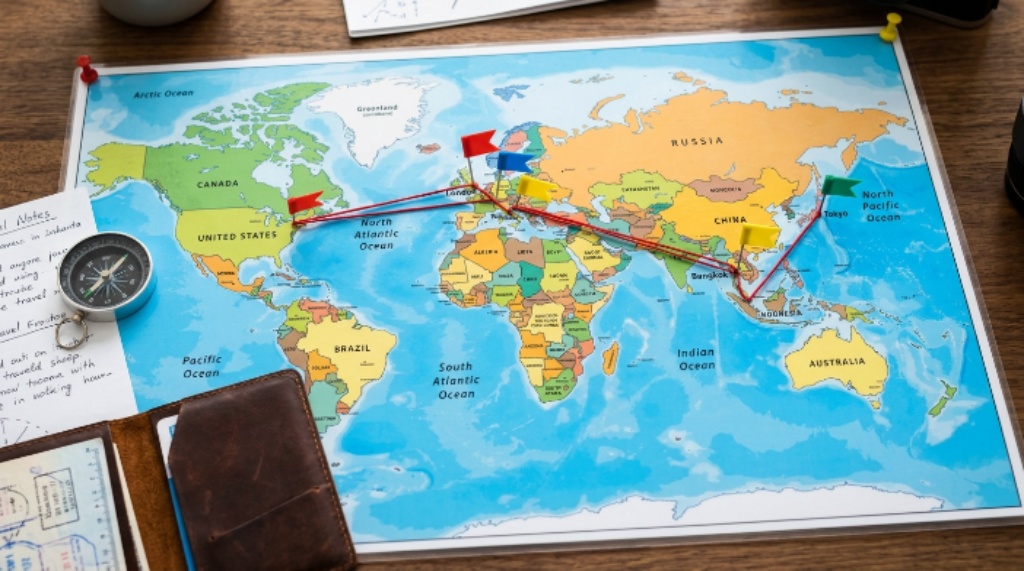
Travel Planning Tips for Multi Destination Journeys
The best way to plan a multi destination journey is to build your route in one direction, avoid backtracking, and book major transportation early. Using a realistic itinerary, flexible travel days, and a single organized schedule helps reduce costs, saves time, and lowers travel stress.
Planning several stops has become increasingly popular, while many travelers now use multi city flight options instead of separate round trips. Studies also show that organized itineraries and advance transportation planning improve travel efficiency while reducing unexpected expenses.
Why Smart Planning Matters
A multi destination trip offers more experiences within one vacation. However, every added stop increases planning complexity.
Good preparation keeps transportation, accommodations, sightseeing, and budgets working together. As a result, your journey becomes smoother from departure through your final destination.
Start With Your Main Travel Goal
Identify the purpose of your journey before selecting destinations. Some travelers focus on landmarks, while others prefer beaches, food, or outdoor adventures.
Clear priorities prevent unnecessary stops. Therefore, every destination should support your travel goals instead of creating extra travel time.
Decide How Many Destinations Fit Your Schedule
Avoid squeezing too many cities into limited vacation days. Spending extra time in fewer locations creates a better experience.
Many travelers enjoy three to five nights in each destination. This schedule provides enough time for sightseeing without feeling rushed.
Build the Most Efficient Route
Arrange destinations in a logical geographic order. Moving in one direction saves both time and transportation costs.
Avoid returning to previous cities whenever possible. Instead, plan your arrival and departure through different airports if it reduces unnecessary travel.
Consider Multi City Flights
Many airlines offer multi city booking options. These tickets often simplify travel compared with booking several separate flights.
Compare both multi city and individual ticket prices. Sometimes one option provides better value depending on your route.
Set a Realistic Budget
Estimate transportation, hotels, meals, attractions, shopping, and emergency funds before booking anything.
Divide your total budget by destination. Consequently, you can control spending throughout the journey without surprises.
Keep an Emergency Reserve
Unexpected expenses happen during longer trips. Flight delays, weather changes, or transportation problems may require additional spending.
Reserve at least ten percent of your budget for emergencies. This financial cushion adds valuable peace of mind.

Choose Transportation Carefully
Every transportation choice affects your schedule. Compare travel time instead of looking only at ticket prices.
Sometimes trains provide faster city center access. Meanwhile, short flights may save valuable vacation time on longer routes.
Avoid Tight Connections
Leave comfortable transfer times between flights or trains. Rushing between terminals increases stress and creates unnecessary risks.
Extra connection time also protects your schedule during delays. Therefore, your remaining itinerary stays on track.
Select Accommodation Strategically
Stay near public transportation whenever possible. Central locations reduce commuting time each day.
Compare hotel amenities before booking. Free breakfast, laundry facilities, and luggage storage can reduce overall travel expenses.
Stay Longer in Busy Cities
Changing hotels every day becomes exhausting. Instead, use one hotel as a temporary base when exploring nearby attractions.
Fewer hotel changes create a more relaxing vacation. Additionally, packing becomes much easier.
Organize Your Daily Schedule
Plan sightseeing by neighborhood instead of jumping across the city repeatedly. This approach saves both energy and transportation costs.
Leave open time every afternoon or evening. Unexpected discoveries often become memorable travel experiences.
Balance Busy Days
Avoid scheduling major attractions every day. Your body needs recovery during longer journeys.
Mix museums, parks, shopping, restaurants, and relaxing activities throughout the trip. This balance keeps energy levels higher.
Pack Light for Easier Movement
Multi destination travel involves frequent transportation changes. Heavy luggage quickly becomes frustrating.
Choose versatile clothing that works together. Neutral colors allow many outfit combinations with fewer items.
Essential Packing Checklist
- Comfortable walking shoes
- Weather appropriate clothing
- Portable charger
- Travel documents
- Medications
- Reusable water bottle
- Small first aid kit
- Universal power adapter
Keep Important Documents Accessible
Store passports, identification, reservations, and transportation tickets in one secure location.
Save digital copies on your phone. Printed backup copies also help during emergencies.
Plan Around Local Weather
Weather changes between destinations can affect packing and transportation.
Check seasonal forecasts before departure. Consequently, you can prepare appropriate clothing and activity plans.
Understand Local Transportation
Research trains, buses, subway systems, and airport transfers before arriving.
Learning transportation basics saves valuable vacation time. It also prevents confusion in unfamiliar places.
Download Helpful Travel Apps
Offline navigation works without internet access. Translation tools also simplify communication.
Expense tracking applications help monitor spending daily. Therefore, your budget remains under control.
Book Popular Attractions Early
Many famous attractions sell out during busy seasons.
Reserve tickets before arrival whenever possible. Early booking also reduces time waiting in long lines.
Protect Your Health During Travel
Long journeys can become physically demanding. Stay hydrated throughout travel days.
Get enough sleep between destinations. Healthy meals and regular movement improve overall energy.
Take Breaks Between Travel Days
Avoid traveling every single day. Rest days improve comfort and allow deeper exploration.
Relaxed schedules usually create more enjoyable vacations. They also reduce travel fatigue.
Prepare for Unexpected Changes
Flight delays, transportation strikes, or weather disruptions sometimes affect travel plans.
Keep flexible backup options available. Quick adjustments prevent small problems from becoming major setbacks.
Important Backup Ideas
- Save emergency contact numbers
- Know alternative transportation options
- Keep extra payment methods
- Carry basic snacks during travel
- Monitor transportation updates regularly
Manage Your Money Wisely
Notify your bank before international travel if necessary. This step reduces payment interruptions.
Carry multiple payment methods instead of relying on one card. Small amounts of local currency also remain useful.
Travel Responsibly
Respect local customs and community guidelines throughout every destination.
Support local businesses whenever possible. Responsible tourism benefits both travelers and local communities.
Make Your Journey More Enjoyable
Leave room for spontaneous experiences. Some unforgettable moments appear without planning.
Take photos, keep short travel notes, and enjoy each destination at a comfortable pace. These memories often become the most valuable souvenirs.
Conclusion
Successful multi destination travel depends on smart planning instead of complicated schedules. Build an efficient route, manage your budget carefully, travel light, and stay flexible throughout the journey. Start planning your itinerary today, organize each destination carefully, and enjoy a smoother adventure with greater confidence.
FAQs
How many destinations should I include in one trip?
Three to five destinations usually provide a comfortable balance between exploration and relaxation.
Should I book transportation before traveling?
Yes, booking major transportation early often provides better prices and greater availability.
Is traveling with only carry on luggage better?
Yes, lighter luggage makes moving between destinations much easier and faster.
How much emergency money should I carry?
Keeping at least ten percent of your total travel budget for emergencies is a practical approach.
What is the biggest mistake during multi destination travel?
Trying to visit too many places within a limited amount of time causes unnecessary stress.






Post Comment