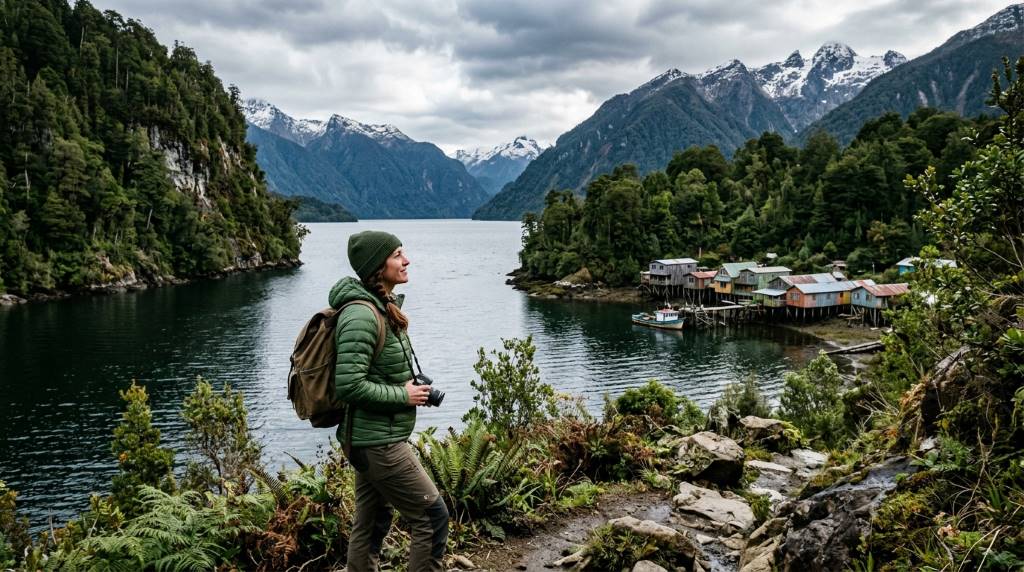
Why Nature Lovers in Portland, OR Prefer Hidden Islands in Chile for Eco Travel
Nature lovers in Portland often search for travel experiences that combine sustainability, wildlife, and peaceful landscapes. According to the United Nations World Tourism Organization, eco-tourism now accounts for nearly 20% of global tourism growth each year. At the same time, studies show that over 70% of travelers prefer destinations with strong environmental protection efforts. Many travelers from the Pacific Northwest now choose hidden islands in Chile because these places offer untouched beauty, low tourist traffic, and authentic outdoor adventures. The combination of cool climates, dense forests, and ocean ecosystems feels familiar to Portland residents while still offering a completely new experience.
The Strong Connection Between Portland and Chilean Eco Travel
People in Portland value green living and outdoor recreation throughout the year. Many locals spend weekends hiking forest trails, kayaking rivers, or visiting protected coastal parks. Because of this lifestyle, travelers naturally seek destinations that support conservation and responsible tourism. Chile’s remote islands match those values perfectly.
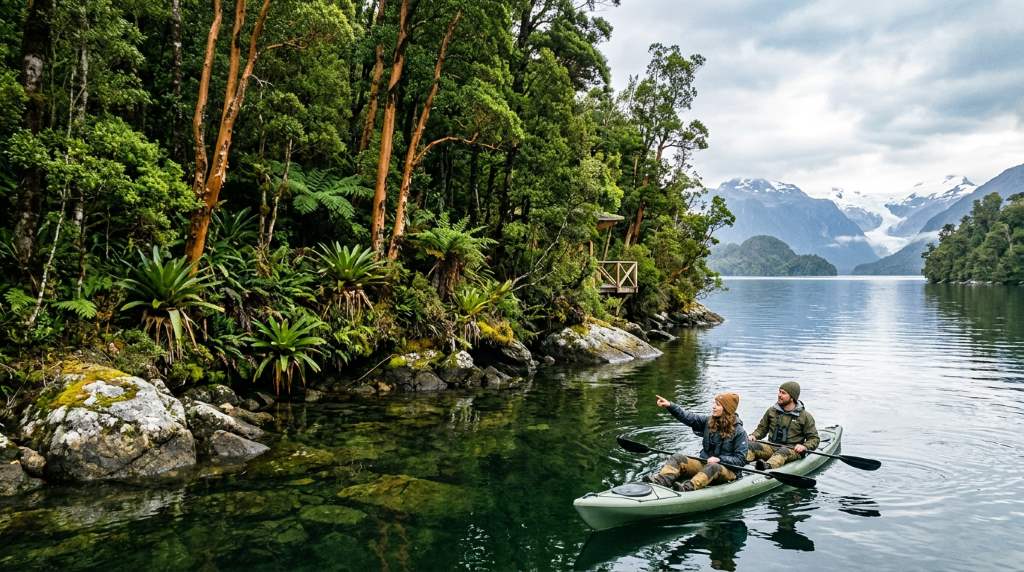
The Pacific Northwest climate also shapes travel preferences among Portland residents. Cool temperatures, regular rainfall, and lush greenery create comfort in destinations with similar weather patterns. Southern Chile offers dense rainforests, glacier-fed waters, and dramatic coastlines that feel surprisingly familiar. As a result, travelers adapt quickly and enjoy outdoor activities without weather shock.
Another reason for this travel trend involves crowd avoidance. Portland travelers often prefer quiet environments over crowded tourist centers. Hidden Chilean islands provide peaceful villages, small eco-lodges, and uncrowded beaches that support slow travel experiences. Therefore, visitors can relax while reducing environmental impact.
Why Chile’s Hidden Islands Appeal to Eco Travelers
Untouched Natural Landscapes
Many Chilean islands remain largely undeveloped and protected from heavy tourism. Thick forests, volcanic cliffs, and marine reserves dominate these landscapes. Travelers can experience nature without large commercial resorts or noisy entertainment districts. Consequently, the experience feels more authentic and calming.
The islands also support unique biodiversity that attracts wildlife enthusiasts from Portland. Visitors regularly spot penguins, sea lions, dolphins, and native bird species. Several protected areas focus on habitat conservation and low-impact tourism policies. This approach aligns closely with Portland’s environmental culture.
In addition, many eco-tourism businesses on these islands use renewable energy and sustainable waste systems. Lodges often collect rainwater and serve locally sourced meals. Travelers appreciate these practices because they minimize environmental harm while supporting local communities. Therefore, eco-conscious visitors feel more connected to the destination.
Cooler Climate and Outdoor Comfort
Portland residents often avoid tropical destinations with extreme heat and humidity. Southern Chile offers a cooler climate that supports hiking, camping, and kayaking comfortably. Average summer temperatures usually range between 60°F and 75°F, which feels ideal for active travelers. Consequently, outdoor exploration becomes more enjoyable.
Rainy conditions also create rich ecosystems across Chilean islands. Moss-covered forests, waterfalls, and foggy coastlines resemble parts of Oregon’s wilderness. This similarity gives Portland travelers a sense of familiarity while still providing cultural and geographic variety. As a result, visitors often stay longer than planned.
Strong winds and changing weather patterns encourage sustainable tourism planning as well. Travelers pack layered clothing, waterproof gear, and reusable outdoor equipment instead of relying on disposable travel products. This practical approach fits naturally with Portland’s outdoor culture. Therefore, eco-travel becomes easier and more responsible.
Popular Hidden Islands in Chile for Nature Lovers
Chiloé Island
Chiloé Island attracts eco travelers because of its dense forests, colorful villages, and coastal wildlife. The island features wooden churches recognized by UNESCO and traditional fishing communities that preserve local culture. Visitors often explore national parks and wetlands filled with migratory birds. Consequently, travelers experience both nature and heritage together.
The island’s rainy climate resembles Oregon’s coastal environment during much of the year. Because of this similarity, Portland visitors feel comfortable hiking and exploring forest trails. Small eco-lodges also offer sustainable accommodations with local seafood and organic produce. Therefore, travelers enjoy authentic and environmentally friendly stays.
Kayaking and birdwatching remain two of the island’s most popular activities. Local guides teach visitors about marine ecosystems and conservation efforts throughout the region. Many tours also support community-based tourism programs that benefit residents directly. As a result, tourism strengthens local sustainability instead of harming it.
Magdalena Island
Magdalena Island offers one of the most important penguin habitats in South America. Thousands of Magellanic penguins nest there each year, creating a remarkable wildlife experience for visitors. Eco travelers appreciate the strict conservation rules that protect these fragile ecosystems. Consequently, the island maintains its natural balance despite growing tourism interest.
Boat tours operate carefully to minimize disruption to wildlife populations. Guides educate travelers about ocean conservation and climate challenges affecting penguins. Portland visitors often value these educational experiences because they combine travel with environmental awareness. Therefore, the trip becomes meaningful beyond sightseeing.
The island’s cool coastal weather also suits travelers from the Pacific Northwest. Windproof jackets, hiking shoes, and layered clothing make exploration comfortable even during changing conditions. This practical style of travel appeals strongly to Portland’s outdoor community. As a result, many visitors consider the island an ideal eco-tourism destination.
Navarino Island
Navarino Island sits near the southern edge of South America and attracts adventure-focused eco travelers. Remote hiking trails and untouched mountain scenery create a true wilderness experience. Unlike crowded tourist regions, the island remains peaceful and environmentally protected. Consequently, visitors enjoy deeper connections with nature.
The Dientes de Navarino trek draws hikers seeking rugged outdoor challenges. Travelers pass alpine lakes, rocky peaks, and isolated valleys during multi-day expeditions. Portland hikers often appreciate the raw landscapes because they resemble untamed wilderness areas in the Pacific Northwest. Therefore, the experience feels exciting yet familiar.
Local tourism groups emphasize Leave No Trace principles throughout the island. Travelers receive guidance on waste management, trail safety, and wildlife protection before excursions begin. These responsible practices support long-term environmental conservation. As a result, eco travelers can explore without damaging fragile ecosystems.
Sustainable Travel Practices Portland Visitors Appreciate
Many travelers from Portland actively support businesses that reduce carbon emissions and environmental waste. Chilean eco-lodges often use solar energy, composting systems, and locally sourced materials in their operations. Guests appreciate seeing sustainability integrated into everyday tourism practices. Therefore, the travel experience feels more responsible and rewarding.
Public transportation and shared travel systems also support eco-friendly exploration. Ferries, small buses, and community tours reduce the environmental impact of individual travel. Portland residents already value bike culture and shared transit systems at home. Because of this mindset, adapting to sustainable travel abroad feels natural.
Reusable gear has become another important part of eco tourism. Travelers often carry refillable water bottles, reusable containers, and durable outdoor clothing during island visits. This approach reduces plastic waste in remote areas with limited disposal systems. Consequently, travelers help preserve the islands’ natural beauty.
Activities That Make These Islands Unique
Wildlife Observation
Wildlife encounters remain one of the strongest reasons Portland travelers choose Chilean islands. Visitors can observe penguins, whales, dolphins, and rare seabirds in protected habitats. Many guided tours maintain strict viewing distances to protect animal behavior patterns. Therefore, wildlife tourism remains sustainable and ethical.
Photography opportunities also attract outdoor enthusiasts and content creators. Foggy coastlines, dramatic cliffs, and dense forests create visually stunning landscapes throughout the year. Early morning light often provides ideal conditions for nature photography. As a result, travelers return home with memorable experiences and striking images.
Educational eco-tours provide additional value for visitors interested in conservation science. Guides explain migration patterns, marine biodiversity, and environmental threats affecting local ecosystems. Portland travelers often enjoy these deeper learning experiences during vacations. Consequently, travel becomes both enjoyable and informative.
Hiking and Kayaking
Remote hiking trails allow visitors to experience untouched landscapes without overcrowding. Many island routes pass through rainforests, coastal cliffs, and volcanic terrain. Travelers appreciate the peaceful atmosphere and limited commercial development along these trails. Therefore, hiking feels immersive and authentic.
Kayaking adventures also offer unique views of marine ecosystems and rugged shorelines. Small guided tours help visitors navigate safely while minimizing environmental impact. Portland residents who enjoy paddle sports often find these experiences especially appealing. As a result, water-based exploration becomes a highlight of the trip.
Weather conditions require careful preparation during outdoor activities. Travelers should pack waterproof layers, thermal clothing, and reliable hiking footwear before visiting southern Chile. These items improve safety and comfort in changing climates. Consequently, visitors can enjoy longer and more successful adventures.
How Portland Travelers Prepare for Eco Travel in Chile
Successful eco travel starts with thoughtful planning and responsible choices. Travelers often research seasonal weather patterns before booking flights and accommodations. Southern Chile experiences colder temperatures and frequent rain during certain months. Therefore, preparation helps visitors avoid unexpected challenges.
Many Portland travelers also choose carbon-conscious transportation options whenever possible. Some purchase carbon offsets for international flights or extend trips to reduce repeated long-distance travel. This mindset reflects Portland’s broader environmental values and sustainability goals. As a result, eco-tourism becomes more intentional.
Packing smart also supports sustainable travel practices. Lightweight reusable products reduce waste and simplify transportation between islands. Visitors often bring biodegradable toiletries and rechargeable batteries during remote adventures. Consequently, travelers minimize their environmental footprint throughout the journey.
Tips for Choosing Eco-Friendly Accommodations
Travelers should research accommodations carefully before booking island stays. Many eco-lodges advertise sustainability, but responsible travelers verify those claims through reviews and certifications. Properties that support local employment and conservation programs usually provide more authentic eco experiences. Therefore, careful selection improves both comfort and environmental impact.
Small locally owned lodges often deliver stronger community benefits than large resort chains. Guests enjoy regional food, personalized service, and cultural insights during their stay. These businesses also tend to use local suppliers and traditional building methods. As a result, tourism revenue stays within the community.
Energy conservation features can further improve sustainability during travel. Travelers should look for accommodations using solar power, rainwater collection, and efficient heating systems. These practices reduce pressure on fragile island ecosystems. Consequently, visitors contribute to long-term environmental protection through their lodging choices.
The Emotional Appeal of Remote Island Travel
Many Portland residents seek travel experiences that reduce stress and encourage mindfulness. Hidden Chilean islands provide quiet surroundings without heavy traffic, crowds, or constant digital distractions. Travelers often reconnect with nature through slow walks, ocean views, and peaceful evenings. Therefore, these destinations support mental wellness alongside adventure.
Remote environments also encourage deeper cultural interactions with local communities. Visitors spend time learning about traditional fishing practices, regional foods, and conservation efforts. These personal connections create more meaningful travel memories than fast-paced tourism experiences. As a result, travelers often develop stronger appreciation for sustainable living.
Nature immersion has proven mental health benefits as well. Studies consistently show that time outdoors reduces stress and improves emotional balance. Portland travelers already value outdoor recreation at home, so extending those experiences abroad feels natural. Consequently, hidden island travel becomes both restorative and inspiring.
Conclusion
Nature lovers in Portland continue choosing Chile’s hidden islands because these destinations combine sustainability, adventure, and untouched beauty. The cool climate, rich biodiversity, and eco-conscious tourism practices align perfectly with Pacific Northwest values. Travelers enjoy peaceful landscapes while supporting conservation and local communities through responsible tourism. If you want a meaningful outdoor adventure with lasting environmental impact, now is the perfect time to explore Chile’s remote island destinations.
FAQs
Why do Portland travelers enjoy Chilean islands?
They enjoy the islands because the cool climate and eco-friendly culture feel similar to the Pacific Northwest.
Which Chilean island is best for wildlife viewing?
Magdalena Island offers excellent penguin and marine wildlife experiences for eco travelers.
What should travelers pack for southern Chile?
Visitors should pack waterproof clothing, layered outfits, hiking shoes, and reusable travel gear.
Are Chile’s hidden islands suitable for sustainable tourism?
Yes, many islands support eco-lodges, conservation programs, and low-impact tourism activities.
When is the best time to visit Chilean islands?
The best travel period usually falls between November and March because temperatures remain milder.
Related Reads
Explore: How to Build the Perfect Travel Essentials List for Women
Check: How to Choose the Best Gifts for Travelers Men in 2026
Read more: How to Prepare for Outdoor Adventures: The Ultimate Guide to Safe and Memorable Expeditions







Post Comment